BioLab is a multidisciplinary research group at the Biological Sciences faculty of Tarbiat Modares University in Tehran.
Our team consists of various students and researchers with different backgrounds and nationalities, all aiming to push forward novel micro/nanoscaled technologies for various purposes in the biomedical and industrial fields. We have accumulated experience and expertise in biophysics, biomaterials engineering, bioactive compounds, stem cells, cell/tissue engineering, and microfabrication to facilitate technological translation from the lab to clinics for a better society.
Fields of Research:
- Biophysics (experimental and theoretical)
- Nanobiotechnology (synthesis, drug delivery)
- Stem Cells
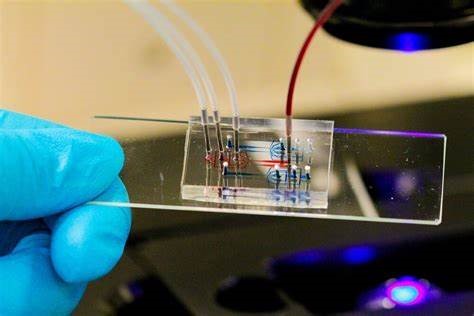
- Microfluidic
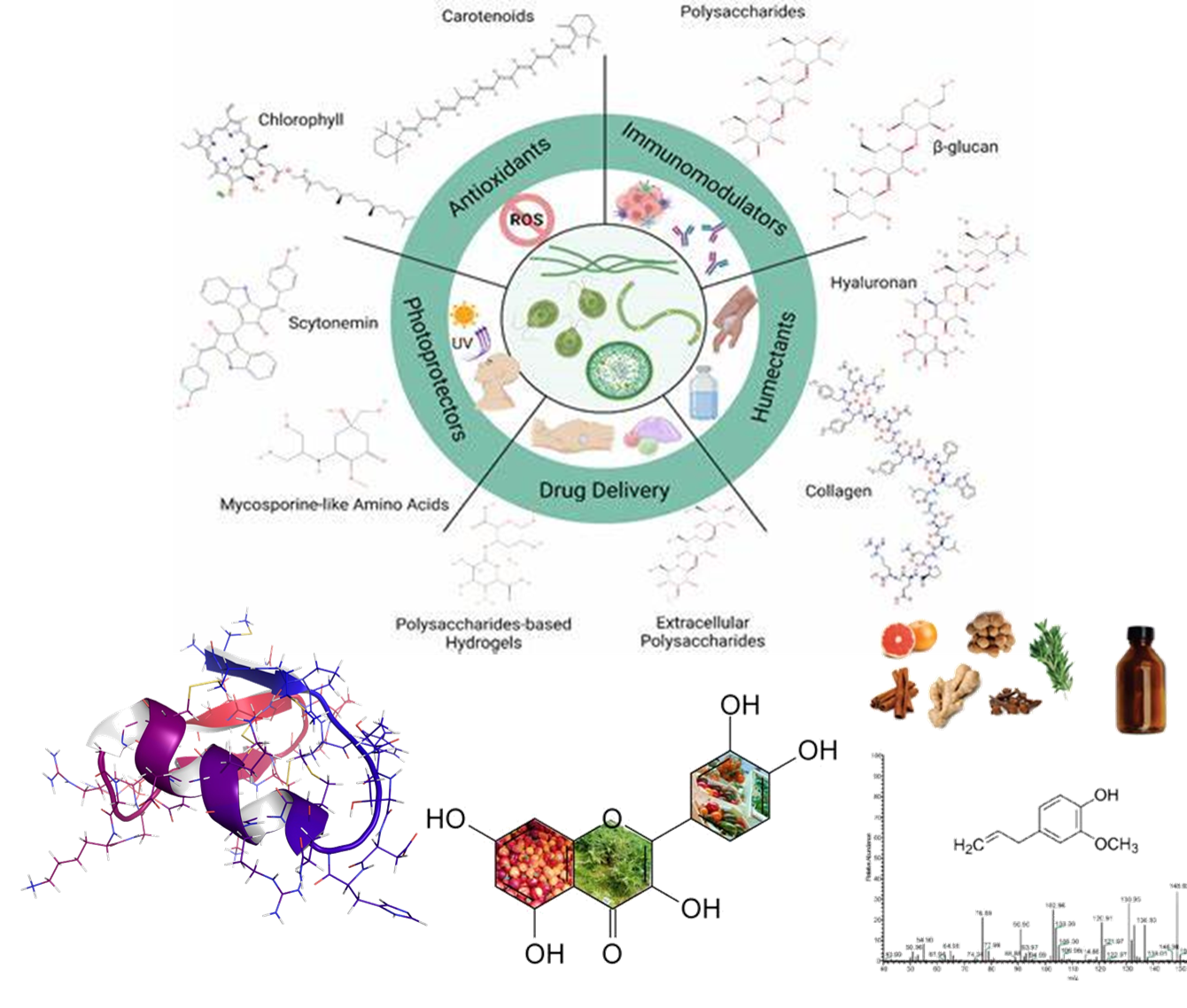
- Bioactive compounds
- Biosensors
Designing and investigating the structure of macromolecules, biological cells, and smart carriers for drug and gene transfer, spectroscopy, and microfluidic chips.
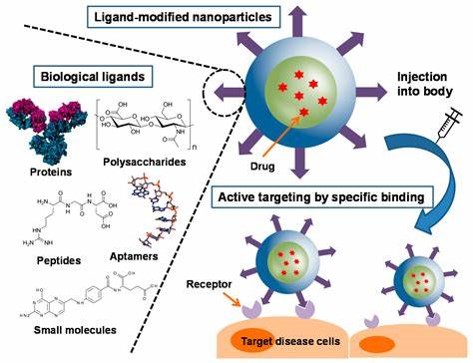
Drug delivery systems that control the time and place of drug release are called smart drug delivery systems. Nanoparticles as drug carriers provide a new form of drug delivery to cancer cells by entering the capillary openings of the cancer mass. This causes a high concentration of the drug to be delivered specifically to the targeted cancer cells and reduces the destructive effects on healthy tissues. Among the advantages of targeting nanoparticles, we can mention the ability to separate more nanoparticles from the target tissue, increase accumulation in target cells, more therapeutic effects, and less toxicity. More advanced pharmaceutical systems are more effective in the transfer and release of effective drugs in the treatment of cancer diseases.
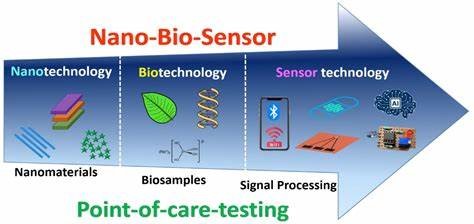
Design of biosensors and nano-biosensors based on spectroscopy and electrochemistry to detect and identify cancer
Today, early diagnosis and effective treatment of cancer are considered vital in improving cancer diagnosis and management. In particular, accurate qualitative detection of cancer cells represents an important step in cancer diagnosis. Identification of cancer cells using nanobiosensors such as quantum particles, which have a central core with magnetic properties, for cancer detection and imaging, as well as organic nanoparticle systems such as liposomes, solid lipid nanoparticles, aptamers, dendrimers, and nano Inflatables can be used to carry various drugs and ligands. The emergence of nanotechnology has paved the way for a clear understanding of stem cell therapy in the living environment and by repeating the growth and development in the living environment in the bacterial culture environment. This technology seems to have great potential in providing new perspectives for research in the field of stem cells. However, there are still challenges and limitations to the use of nanoparticles in medicine. My laboratory also has good researches in this field along with publishing valid articles
Identification, development of technical knowledge and production of bioactive compounds with emphasis on antioxidant and anticancer properties